
Who Provides the Tarpaulin on an Open-Top Box
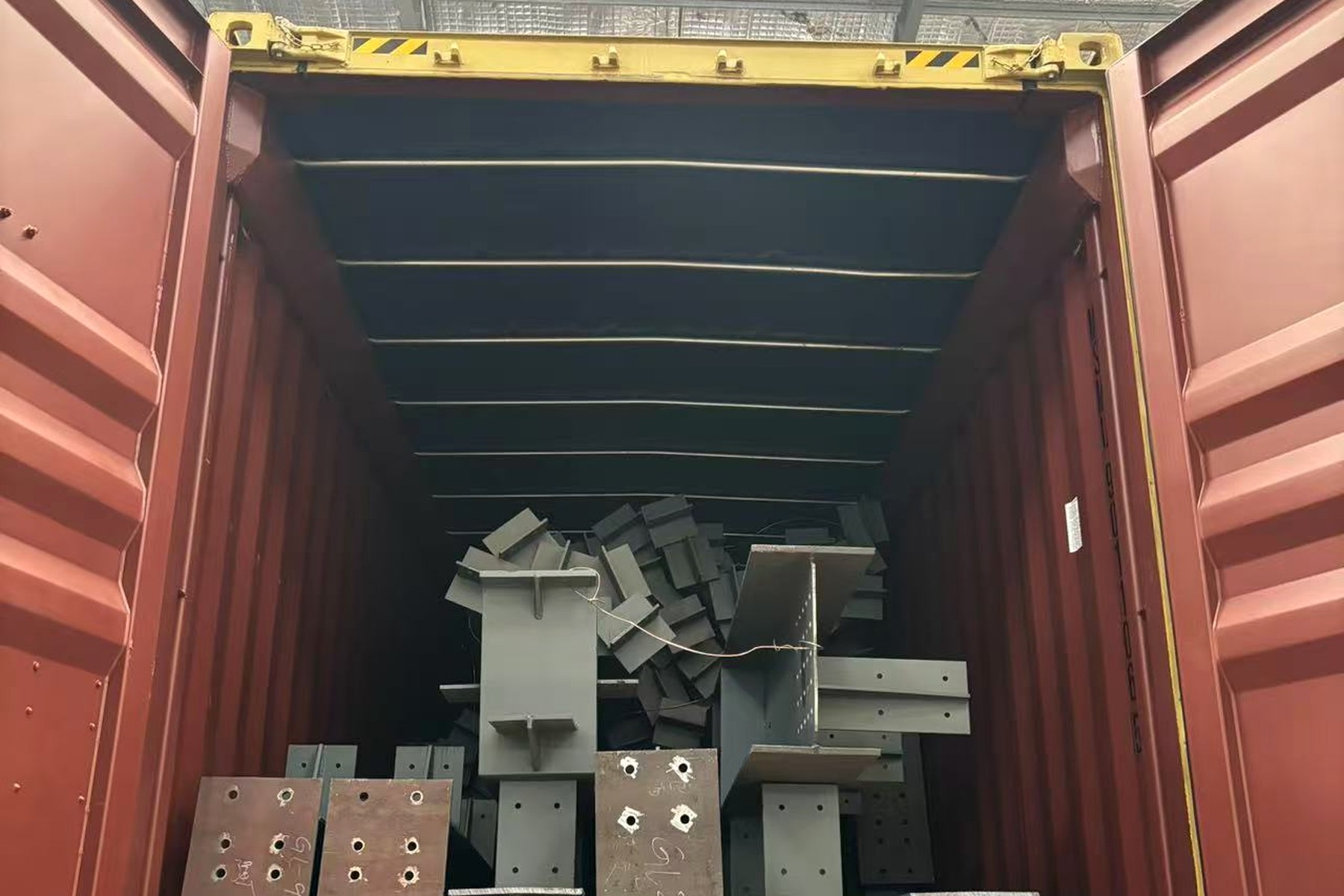
The cover on an open-top box is not ours to supply. It comes with the box, from the carrier, and we do not buy a separate one. That one line settles who you ask when the cover is missing, who holds it while the cargo is at sea, and why it never appears as a line item in our packing list. It is also the line most loading plans leave out, which is why the conversation about it usually starts at the destination port instead of the port of loading.
What “Provided With the Box” Actually Means
The cover belongs to the container, not to the steel
An open-top box has no fixed hard roof, so whatever closes the top travels with the box rather than with the cargo inside it. On our shipments the cover is supplied by the carrier together with the container, and it reaches the loading point as part of that container arrangement rather than as something we purchase on your behalf. The consequence is short and easy to lose sight of: the cover never enters our material list, our packing list, or our cost build-up, because at no point do we take ownership of it.
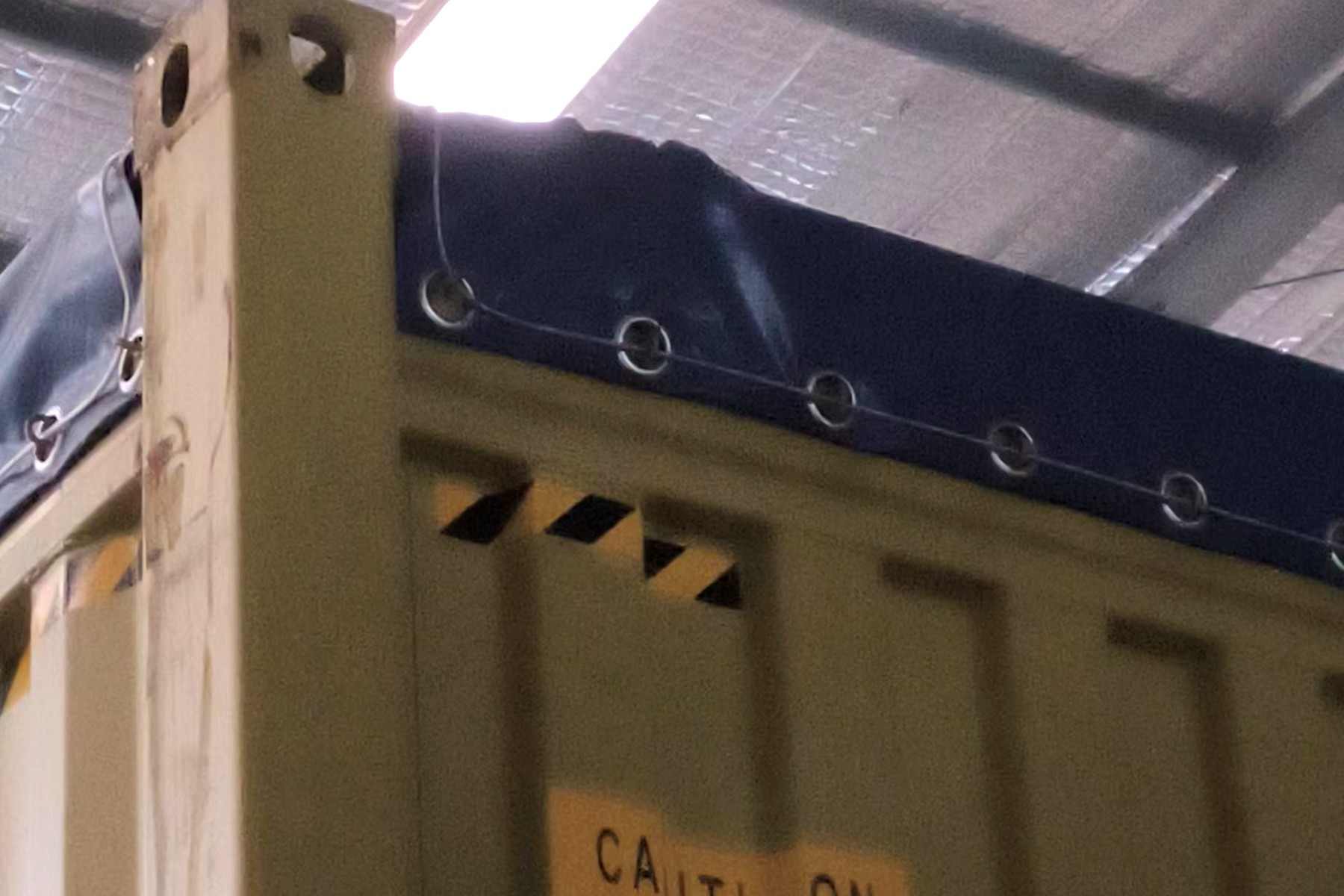
Why we do not buy our own
A cover we bought ourselves would be equipment we do not control, fitted by people we do not employ, riding on an asset belonging to someone else, and inspected under rules we do not administer. That is not a standard we are proud of; it is simply a responsibility that would sit with us on paper and with nobody in practice. Keeping the cover with the box keeps the responsibility with the party that controls the box from the moment it is closed to the moment it is opened again. Where ownership is clear, so is the conversation when something goes wrong.
Where the Boundary Sits in Your Packing Plan
The line item that should not appear
Read the packing list to the end and you will not find a cover, and that absence is the document behaving correctly rather than an omission. Add the cover yourself and you create a paper commitment to equipment we do not supply, and paper commitments are exactly what get quoted back at you when a claim is filed. The cleaner habit is to treat the cover as part of the container scope and keep it out of the cargo scope, so that each document answers only for what its author actually controls.
What to confirm with the carrier instead
Because the cover sits on the carrier’s side of the boundary, the questions about it belong there as well. Before the box is closed, confirm with the carrier whether a cover comes with this box type on this route, when it is fitted, and what condition it should be in at handover. We are not able to answer those for you, and we would rather say so than give you a reassuring answer that does not hold. You are asking the party that owns the equipment, which is the only party whose answer is worth recording.
Three Questions This Article Does Not Answer
Three questions decide how a cover behaves in practice, and this article deliberately does not answer them. A single answer written here would read like a rule, and it would be wrong somewhere on your shipment.
How the perimeter is secured
Whether the edges are held by the box’s own locking points, by lashing, by a net, or by some combination of those is a property of the specific box and the specific carrier’s equipment rather than a constant you can plan around. We have not been given an answer that holds across shipments, so we are not going to pass one on as if it did. Put the question to the carrier and record the answer against the booking, so that the steel order and the equipment question stay in the documents where they belong.
Who is physically on site to fit it
Fitting happens either at the yard where the box is loaded or at the terminal where it is handed over, and which of those applies depends on who is doing the work and when the box is closed. That is a scheduling answer, not a design answer, and it moves from shipment to shipment. What matters for your file is that a named party is responsible on the day. If no name is attached to the task, the working assumption should be that nobody owns it.
How damage or water ingress is apportioned at destination
If cargo arrives wet, the dispute is never about whether water is bad. It is about where the water entered and who held the cover when it did. Apportionment depends on the carrier’s terms and on what the handover record shows, so any general answer given here would be guesswork dressed as guidance. The practical move is to agree the apportionment before loading, while everyone still remembers the condition of the cover, instead of after discharge, when the record is the only thing left.
Writing It Into the Shipment File
One sentence in the loading plan
Put the boundary in the document where the boundary actually lives. A single line stating that the cover is provided with the box by the carrier and is not supplied by the fabricator removes the question from the loading meeting and puts it somewhere it can be answered. Keep that line in the same position in every shipment file so it can be found without reading the whole document. A rule that has to be hunted for is a rule that gets skipped.
What to do when the carrier’s answer differs
Carriers differ, routes differ, and equipment differs, so the answer you get back may not be the one this article implies. If the carrier confirms that no cover comes with this box on this route, the correct response is to change the booking, or to agree in writing what will be used instead and who owns it. The wrong response is to ask the fabricator to improvise something at the last minute. A cover decided at the terminal is a cover that nobody has inspected, and nobody has accepted responsibility for.
The cover is a small item carrying a large ownership question, and arguments happen because the question is usually answered by silence. One sentence in the loading plan and one confirmation with the carrier remove that silence. What remains is a shipment where each party answers for the part it actually controls.
Written by Johnny, who handles packing and loading decisions for steel buildings shipped to Africa and South America. If an open-top box is on your booking and nobody has confirmed the cover, send me the shipping file and I will tell you which line to add and which party to ask.
Related: what a 40-foot open-top can actually carry · protecting member ends without wood packing · packing list, container list and shipment schedule